

pattern glass types
Understanding One-Way Water Check Valves Functionality and Applications One-way water check valves are essential components in various plumbing and fluid management systems. Their function is simple yet critical they allow water or other liquids to flow in one direction while preventing backflow. This capability is crucial in maintaining system integrity, ensuring that water flows as intended without the risk of contamination or damage from reverse flow. How One-Way Check Valves Work The operation of a one-way check valve is based on a straightforward principle of mechanics. The valve consists of a body, a disc or ball, and a seat. When water flows in the intended direction, the pressure pushes the disc or ball off the seat, allowing fluid to pass through. When the flow reverses, the pressure drop forces the disc or ball back onto the seat, effectively sealing the valve and stopping any backflow. This automatic operation eliminates the need for manual intervention and relies entirely on fluid dynamics. Importance in Plumbing Systems In residential and industrial plumbing, one-way check valves play a pivotal role. For instance, they are commonly employed in sump pumps and drainage systems to prevent water from flowing back into a sump pit or basin once it has been pumped out. The presence of a check valve ensures that the system remains efficient and free from contamination. Similarly, in irrigation systems, these valves prevent the backflow of chemicals or fertilizers into the primary water supply, safeguarding public health and maintaining water quality. Industrial Applications one way water check valve Beyond residential use, one-way check valves are critical in various industrial applications. They are found in systems that handle wastewater, petrochemicals, and other fluids. In these settings, the integrity of the system is vital to prevent leaks, spills, and potential environmental hazards. The use of check valves can help in managing pressure differentials and ensuring that processes run smoothly without disruptions caused by fluid backflow. Choosing the Right Check Valve When selecting a one-way water check valve, several factors must be considered. The valve must be compatible with the type of fluid involved, the pressure conditions, and the temperature of operation. Materials such as brass, stainless steel, and PVC are common choices, each offering different levels of resistance to corrosion and wear. Additionally, factors like flow rate and installation requirements must be carefully evaluated to ensure optimal performance. Maintenance and Lifespan One-way check valves generally require minimal maintenance; however, regular inspections are advisable to ensure full functionality. Over time, debris and minerals can accumulate, potentially compromising the valve's effectiveness. In harsh operating conditions, valves may wear out faster, necessitating replacement. Following manufacturer guidelines for maintenance can prolong the lifespan of these valves and ensure they function as intended. Conclusion In summary, one-way water check valves are integral to the efficient operation of various fluid systems. Their ability to prevent backflow makes them indispensable in both residential and industrial applications. By understanding how these mechanisms work and their significance across different settings, users can better appreciate the role they play in maintaining system integrity and preventing potential hazards. Whether in a simple home plumbing system or a complex industrial setup, one-way check valves are a small but mighty component that ensures fluid systems operate smoothly and safely.
about
pattern glass types
Introduction The Slow Closing Check Valve from Storaen (Cangzhou) International Trading Co. represents a significant advancement in hydraulic system control. Designed to mitigate the effects of water hammer and ensure smooth operation, this valve is engineered to enhance efficiency and durability in industrial applications. This article explores the product's features, advantages, technical specifications, and application scenarios, alongside insights into the company's expertise. Key Features of the Slow Closing Check Valve The Slow Closing Check Valve is distinguished by its innovative design and performance capabilities. Key features include: Novel Structure: The valve's design minimizes turbulence and resistance, ensuring a smooth flow of fluids. This structure also contributes to its long service life, reducing the need for frequent maintenance. Superior Sealing: Advanced sealing mechanisms prevent leaks, even under high-pressure conditions. This is critical in applications where fluid integrity is paramount. Adjustable Operation: The valve allows users to control the speed of opening or closing, enabling customization to suit specific site requirements. This adaptability ensures optimal performance in diverse environments. Water Hammer Mitigation: By slowing the closure process, the valve effectively reduces the impact of water hammer, a common issue in hydraulic systems that can cause damage and inefficiency. High Flow Capacity: Despite its compact size, the valve supports large flow rates, making it suitable for high-demand applications. Advantages Over Traditional Check Valves Compared to conventional check valves, the Slow Closing Check Valve offers several distinct advantages: Enhanced Safety: The slow-closing mechanism reduces the risk of sudden pressure surges, protecting both the system and surrounding infrastructure. Energy Efficiency: By minimizing resistance and optimizing flow, the valve contributes to lower energy consumption in hydraulic systems. Cost-Effectiveness: The valve's durability and reduced maintenance requirements lower long-term operational costs. Versatility: Its adjustable settings make it suitable for a wide range of applications, from industrial pipelines to municipal water systems. Environmental Benefits: The valve's design helps prevent fluid leaks, reducing environmental impact and ensuring compliance with regulatory standards. Technical Specifications Parameter Details Model 300X Slow-Closing Muffler Check Valve Flow Capacity Up to 1500 L/min (varies by size) Pressure Rating 10-16 bar (adjustable) Sealing Material EPDM or PTFE (customizable) Valve Body Material Stainless Steel or Cast Iron Operating Temperature Range -10°C to 80°C Adjustment Mechanism Manual or Automatic (depending on model) Application Scenarios The Slow Closing Check Valve is ideal for applications requiring precise control of fluid flow. Common use cases include: Industrial Pipelines: Ensures smooth operation in manufacturing plants where fluid flow must be regulated to prevent system damage. Municipal Water Systems: Reduces water hammer in water distribution networks, extending the lifespan of pipes and pumps. HVAC Systems: Optimizes coolant flow in heating, ventilation, and air conditioning systems, improving energy efficiency. Oil and Gas Industry: Provides reliable control in pipelines transporting crude oil or refined products, minimizing leaks and downtime. Wastewater Treatment: Enhances the efficiency of wastewater processing by managing flow rates and preventing backflow. About Storaen (Cangzhou) International Trading Co. Storaen (Cangzhou) International Trading Co. is a leading provider of industrial components and solutions, specializing in hydraulic and pneumatic systems. With a focus on innovation and quality, the company has established itself as a trusted partner for businesses worldwide. Their commitment to research and development ensures that products like the Slow Closing Check Valve meet the highest standards of performance and reliability. Storaen's expertise is complemented by its adherence to international quality certifications, including ISO 9001, which underscores its dedication to excellence. The company's global network of distributors and technical support teams ensures that customers receive timely assistance and solutions tailored to their needs. Industry Standards and Authoritative Citations The design and functionality of the Slow Closing Check Valve align with industry standards for hydraulic system efficiency and safety. According to the National Institute of Standards and Technology (NIST) , "precise control of fluid flow is critical in industrial systems to prevent failures and ensure operational continuity" ( NIST, 2023 ). This principle is reflected in the valve's ability to mitigate water hammer and maintain stable pressure levels. Additionally, NIST emphasizes the importance of "robust sealing mechanisms in hydraulic components to prevent leaks and ensure environmental compliance" ( NIST, 2023 ). The Slow Closing Check Valve 's advanced sealing technology directly addresses this requirement, making it a reliable choice for industries with stringent safety standards. Conclusion The Slow Closing Check Valve from Storaen (Cangzhou) International Trading Co. is a testament to the company's commitment to innovation and quality. With its advanced design, adjustable operation, and robust performance, this valve offers a comprehensive solution for hydraulic system optimization. Whether in industrial, municipal, or commercial applications, the valve's ability to reduce water hammer and enhance efficiency makes it an invaluable asset. For more information about the Slow Closing Check Valve or to explore other products from Storaen (Cangzhou) International Trading Co. , visit their official website. References National Institute of Standards and Technology (NIST) . (2023). Standards for Hydraulic System Efficiency and Safety . Retrieved from https://www.nist.gov .
-

High quality industrial productsagement

High quality industrial products
View Details -

Meet the diverse needs of customers

Meet the diverse needs of customers
View Details -

Strict quality control

Strict quality control
View Details -

Top raw materials

Top raw materials
View Details -

Trusted supplier

Trusted supplier
View Details
Our application

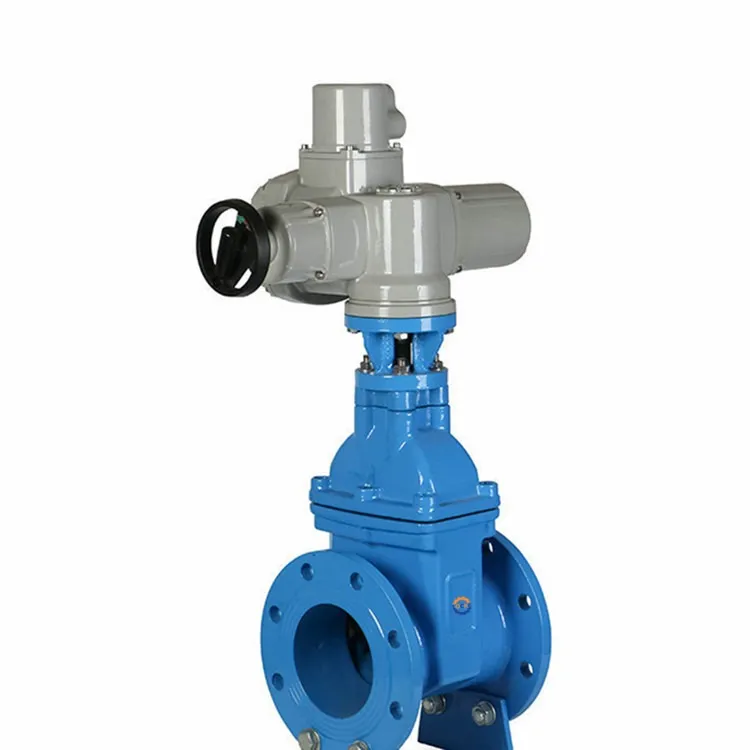

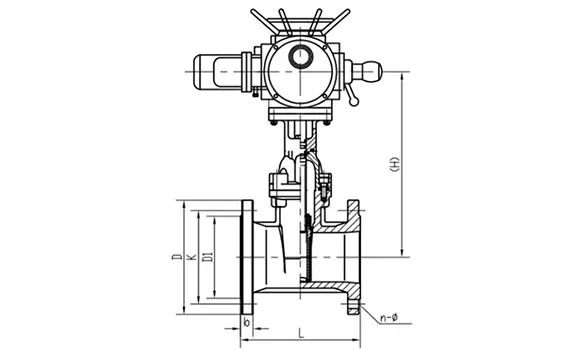
news and information
Vanne à guillotine de 8 pouces pour applications industrielles et de plomberie
Vannes à Panneau Couteau de 8 Pouces Un Équipement Essentiel pour l'Industrie Les vannes à panneau
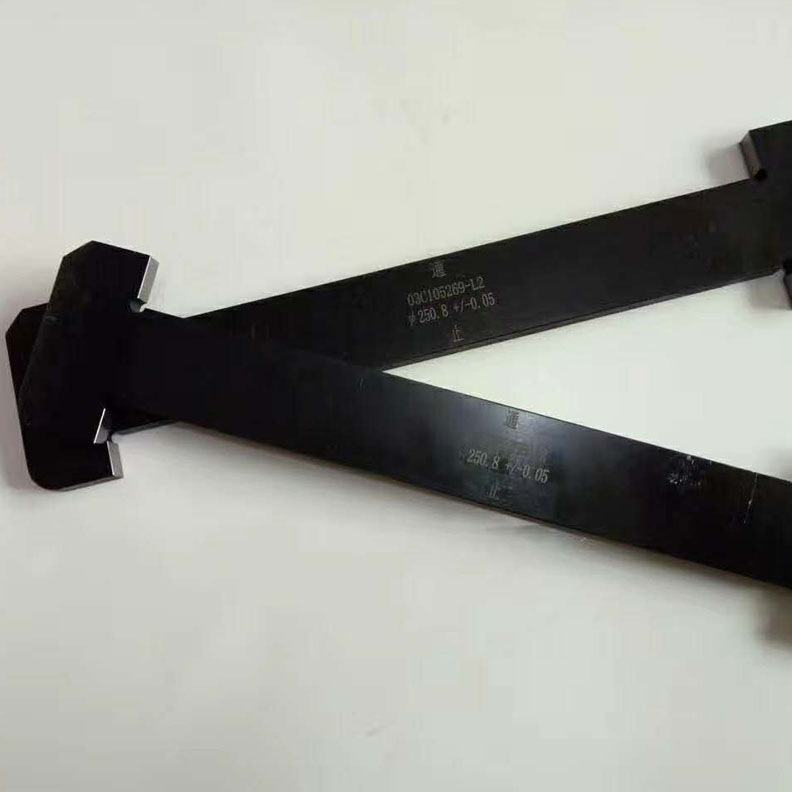
Versatile 5x10 Foot Welding Table for Efficient Metalworking Projects and Fabrication
The Importance of a 5x10% Welding Table in Modern Metal Fabrication Welding is an essential process
Various Control Valve Types and Their Industrial Uses Explained
Types of Control Valves and Their Applications Control valves are essential components in various in
 English